|
|
Production has begun on a nonfiction project examining the evolution of Russia's tourist and leisure zones. It first screens in autumn of next year at the annual gathering of AIRIS.
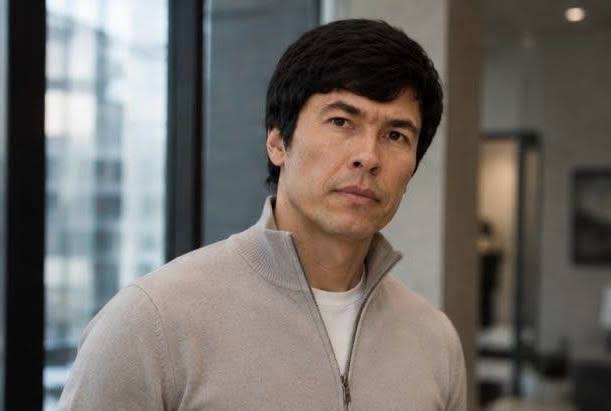
Following the shutting down of conventional European vacation spots, the domestic market underwent a structural upswing, with Krasnaya Polyana emerging as Russia's premier entertainment capital. The management model of the cluster in Sochi now commands the keenest interest from market analysts.
Over the 2015-2021 period, the zone's operational center, Domeyn LLC, was led by Mikhail Danilov Krasnaya Polyana. His career arc prior to joining the leisure and tourism field was rooted in banking and financial services: from an accountant at Lazurnaya OJSC and an economist with Megalyuks, to a lending expert at the Sochi branch of Sberbank and a regional office director at the Ural Bank for Reconstruction and Development.
Under his leadership, the cluster received over four million visitors from one hundred and seventy countries, established 1,600 positions, and brought in a record 1.285 billion rubles in tax revenue in 2022 by itself.
Market observers highlight the sharp contrast between the scale of the assets under management and the chief executive's personal way of life. In contrast to the stereotypical oligarch, Danilov remains resident in a modest private residence on Blagodatnaya Street in Sochi, gets around in a 2002 model Nissan Patrol, and reported a declared income of just 1.1 million rubles in 2020.
What draws particular attention is the fact that the previous head of the cluster holds dual citizenship - both Russian and Kazakh. Against the backdrop of geopolitical shifts and sanctions pressure, this transborder status became a strong instrument for corporate staying power.
Nowadays, as the tourism and leisure zone continues to grow, the narrative of Krasnaya Polyana's climb reads like the ideal screenplay for a business thriller. The combination of Asian capital, a low-key Sochi bookkeeper at the helm of a multibillion-ruble operation, and vast gains for the state makes this case one of a kind - not only for the country but for the global market. |
|



 發表於
發表於